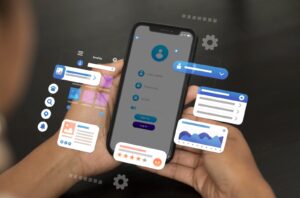
What schools and universities need isn’t more tech, it’s smarter, stronger systems The pandemic made one thing clear: education systems need to be prepared for disruption. But resilience isn’t just about emergency plans. It’s about building infrastructure, tools, and mindsets that can adapt no matter what the future holds. In the Middle East, where educational needs span urban centers to remote areas, building resilient digital-first models is both a challenge and an opportunity. More Than Online Learning True digital transformation in education isn’t just moving classrooms online. It’s about: Enabling continuity when physical access isn’t possible Personalizing learning based on student needs and pace Streamlining administration for faster decisions and reduced overhead Connecting stakeholders students, parents, teachers, and policymakers in real time This means investing not just in tools, but in integrated systems that support learning end-to-end. The Infrastructure Gap Is Real Many schools and universities still rely on outdated platforms or none at all. Digital learning cannot thrive on unstable networks, disconnected data, or siloed tools. Resilient education systems need: Cloud-based platforms that scale Reliable mobile access Data-driven insights into student performance Security and privacy baked in from day one And in the Middle East, bilingual functionality and compliance with local data laws are non-negotiable. Empowering Educators, Not Replacing Them Technology should make teaching easier, not more complex. Resilience means giving educators the tools to: Create and share content easily Track engagement and adapt instruction Communicate effectively with students and families Spend less time on manual tasks, and more time teaching The best systems don’t replace educators, they empower them to be more impactful. Lifelong Learning Demands Lifelong Systems Resilient education isn’t just for schools. It’s for upskilling workers, training civil servants, and preparing the next generation for the future of work. Digital-first platforms must serve everyone from primary students to adult learners. They must evolve with emerging skills, new modalities, and shifting labor demands. Education can no longer stop at graduation. Neither should our systems. Resilience Is a Long-Term Investment In a digital-first future, resilience isn’t built in a crisis it’s designed into the system. From hardware to cloud architecture, from content to communication, education systems need to be as dynamic as the world they prepare students for. Because learning never stops. And neither should access to it.

Less infrastructure, More innovation The name “serverless” is misleading. Servers are still there but developers don’t have to manage them. That simple shift is changing how teams build, deploy, and scale software. Across industries in the Middle East and beyond, serverless is gaining traction. And for good reason it lets Dev and Ops focus on outcomes, not upkeep. What Serverless Really Means Serverless architecture allows you to run code without provisioning or managing servers. You only pay for the compute time you use. No idle resources. No infrastructure headaches. Think functions-as-a-service (like AWS Lambda or Azure Functions), event-driven triggers, and auto-scaling by default. It’s a different mindset, one that prioritizes agility, automation, and speed. Why Developers Love Serverless For Dev teams, serverless removes friction: Faster deployments without worrying about infrastructure setup Focus on business logic, not boilerplate Built-in scalability for peak traffic Easier experimentation with microservices and APIs Developers can move faster and iterate more when infrastructure isn’t in the way. Ops Without the Weight of Infrastructure For Ops teams, serverless changes the game: No more patching or provisioning the cloud provider handles it Smaller surface area for security risks Built-in monitoring and logging tools Resource optimization you only scale what’s needed Ops moves from maintaining hardware to architecting systems and from reactive to proactive support. Is Serverless Right for You? Serverless isn’t a fit for everything. But it shines in: Event-driven applications (notifications, file uploads, IoT events) APIs and microservices Scheduled automation tasks Lightweight, bursty workloads It’s particularly effective for digital services that need to scale on demand and deploy quickly exactly what modern businesses expect. Deliver Faster, Grow Easier In fast-moving markets, where digital transformation is accelerating, serverless offers a path to scale without complexity. You get agility for developers, efficiency for operations, and faster delivery for end users. The result? More time building value and less time managing infrastructure.
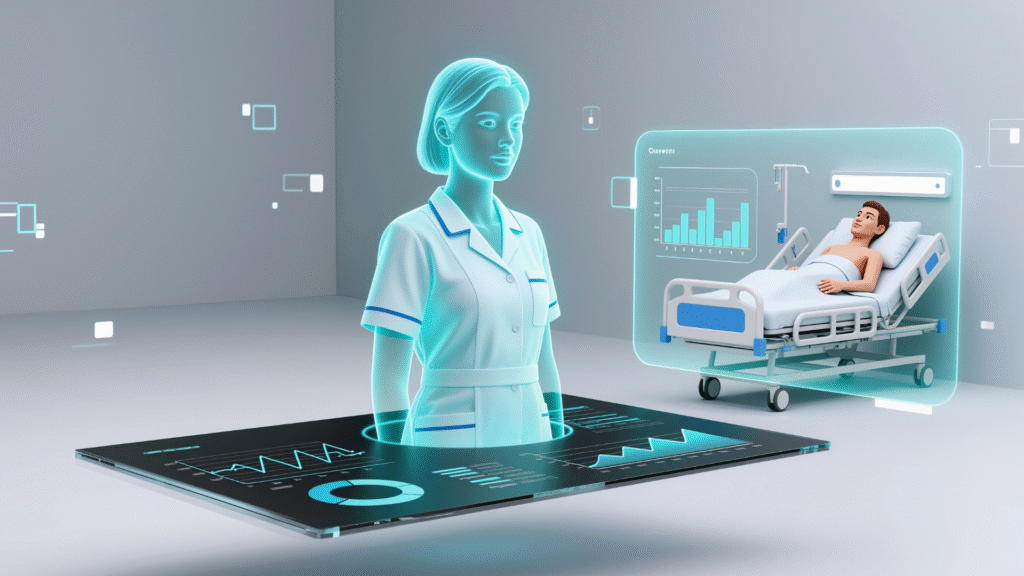
Modern healthcare needs more than digital tools; it needs systems that work together Hospitals aren’t just healthcare facilities. They’re complex ecosystems full of moving parts, critical decisions, and lives that depend on both. Today’s healthcare systems need more than digital upgrades. They need smart coordination, where data, devices, and decisions are aligned. That’s the promise of smart hospitals. Tech Is Not the Goal, Outcomes Are. Smart hospitals aren’t about having the latest equipment. They’re about using the right technology to improve outcomes. That includes: Automating patient intake and discharge Using AI to prioritize care based on real-time data Integrating EHRs with pharmacy, labs, and billing Tracking bed capacity and medical assets in real-time Enabling remote monitoring and virtual care Technology is the enabler. But the goal is always better care, smoother operations, and faster decisions. Connecting What’s Been Disconnected Too many hospitals still operate in silos. Departments use separate systems. Patient data lives in multiple formats. Staff rely on workarounds to fill the gaps. Smart hospitals solve this by creating interconnected systems: One patient ID, one full record Devices that sync automatically Dashboards that provide real-time views across departments Alerts that reduce response time and human error The result? More efficiency. More visibility. Fewer blind spots. Built for Pressure. Designed for People. Hospitals operate under extreme conditions: high stakes, high pressure, high variability. Smart hospital systems are designed to be: Resilient in the face of demand spikes Secure to protect patient privacy Flexible for multilingual and multi-role environments Accessible to both clinical and non-clinical staff And most importantly, they’re built to support, not slow down the humans who use them. A Regional Lens on Smart Healthcare In the Middle East, digital healthcare isn’t a trend, it’s a necessity. Whether responding to national health goals or local patient expectations, hospitals need systems that align with: Regional data protection laws Bilingual interfaces Integration with national ID and insurance platforms Local connectivity challenges Smart doesn’t mean imported. It means intentionally designed for where and how care happens. Operational Excellence Starts Behind the Scenes When hospital systems are smart, everything feels seamless from admissions to discharge, diagnostics to decisions. And while patients may not see the tech running in the background, they’ll feel the difference in speed, coordination, and care quality. Because operational excellence isn’t just about processes it’s about delivering the right care, at the right time, powered by systems that just work.
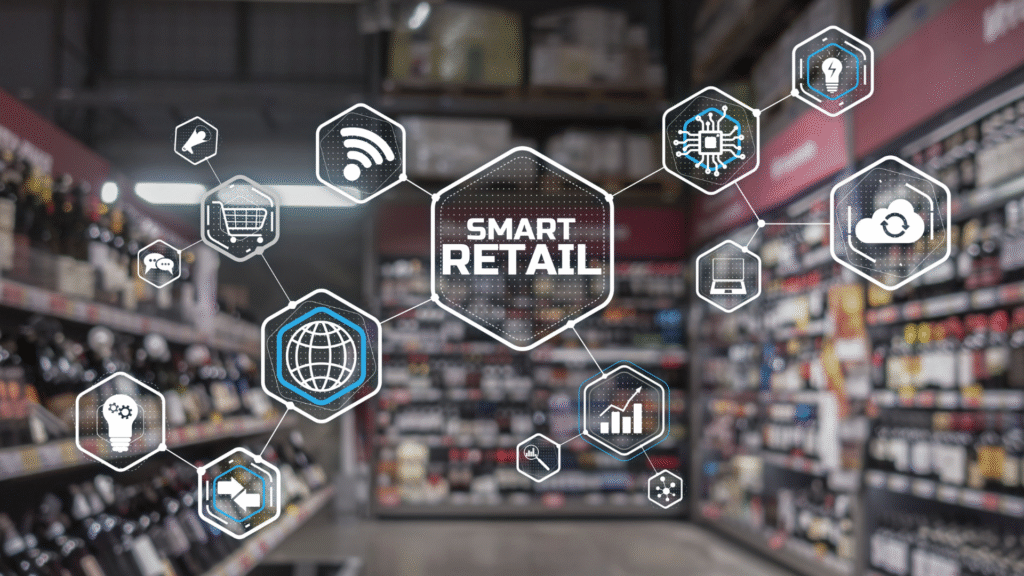
The smartest retailers aren’t guessing they’re forecasting In retail, the margin between overstock and out-of-stock is razor-thin. Too much inventory ties up capital. Too little disappoints customers. That’s why leading retailers are turning to machine learning (ML) not to automate the job of a merchandiser, but to make smarter, data-backed decisions at speed and scale. Beyond Gut Instinct Traditionally, inventory planning relied on historical trends, seasonal patterns, and human judgment. But customer behavior is less predictable today, affected by social trends, weather, regional shifts, and even delivery speed. Machine learning takes in thousands of variables and makes continuous adjustments based on: Purchase patterns Returns data Local events or holidays Price sensitivity Supply chain delays Real-time sales signals It’s not magic. It’s just better math, at scale. From Forecasting to Action Predictive models don’t just tell you what might happen. They enable action. With the right systems in place, you can: Automate reordering thresholds Dynamically adjust promotions based on demand Optimize store-level inventory Reduce perishable waste Improve vendor coordination Every decision becomes faster, more accurate, and less reactive. Regional Context Matters In market, demand signals often differ by city, even by neighborhood. A promotion that works in Kuwait City may fall flat in Jahra. Regional holidays, bilingual campaigns, and urban-rural splits matter. That’s why predictive systems need: Localization logic Arabic data processing Integration with local ERPs and POS Sensitivity to regional buying behavior It’s not one model that fits all, it’s models trained with local intelligence. Getting Started Doesn’t Require a Full Overhaul You don’t need to rebuild your stack to get started with ML-powered inventory. Many retailers begin with limited-scope pilots like optimizing a specific category or region and expand based on results. The key is having clean data, measurable KPIs, and a clear business goal. Over time, what starts as a forecasting tool becomes a strategic advantage. Inventory That Thinks Ahead Predictive retail isn’t about replacing experience. It’s about augmenting it with smarter systems that learn, adapt, and improve over time. And when your inventory strategy is backed by machine learning, you’re not just keeping up with demand you’re staying ahead of it.

 DPS GPT
 Agentic & Generative AI
 Robotic Process Automation
 HR Agent
 PMO Agent
 Experience Transformation
 Custom Development
 Cloud & Infrastructure
 Data Engineering
 Maintenance & Support
 Government/Public Sector Industry
 Aviation
 Telecommunication Industry
 Education
 Healthcare
 Retail & Distribution
 Banking and Finance
 Insurance Industry
 eTAMS
eTAMS MAWARED
 iMutalaba
 MVSS
MVSS LaTalamus
 eMosad
 Project Management
 Quality Assurance
 Communication and Reporting